.jpg)
Case Study: Should Professional Photographers Be Worried About "AI"-Lien Invasion? | Value of Authentic Commercial Hospitality Photography


TLDR: yes but not in a way that it looks. Allow me to explain, I wish it was as simple as brushing it off. But in reality its more than that. We have to look at this from multiple aspects and angles to objectify my observation.
Artificial Intelligence is developing at a phenomenal pace, placing sophisticated image generation capability directly into the hands of businesses of every size. Visual concepts that once required weeks of planning, specialised gear, and experienced creative teams can now be produced in minutes. Inevitably, this has prompted serious conversations about the future of commercial photography and whether traditional photographers will eventually be replaced by technology. It is an understandable concern, but I have gradually come to believe that most people had asked the wrong question. I know its hard, but we really should not be swayed by the rapid rise of AI. Instead, we need to focus on how to deliver better campaigns with the available tools while still keeping a sufficient level of refined human touch. As for businesses out there, it isn't just about being real for the sake of being real—creating sloppy contents; In the context of hospitality, it’s about collaborating with a photographer who actually knows how to bring the absolute best out of a physical space and present that human and spatial relationship well.
This is fundamentally because when a photographer successfully captures that genuine interaction within a physical space, they are doing something an algorithm fundamentally cannot even when putting visual aesthetic aside: they are documenting reality. They aren't just generating a beautiful space; they are providing visual evidence of the actual atmosphere, the tangible thoughtful design interpretation, and the real human effort that goes into that hospitality experience.
Because AI-generated perfection is quickly becoming the cheap and easy standard, the true value of commercial photography has now shifted. It is no longer just about making things look visually pleasing—it is about providing undeniable proof of a brand's standards. In a market flooded with artificial aesthetics, here is why the future belongs to businesses that understand the importance of authenticity, and why proving your excellence is real is the most powerful asset you have.
The Democratisation of Visual Perfection
Let’s address the reality of the situation. Putting financial constraints aside (though generating truly good AI still carries a cost that will eventually increase) AI has already reached a point where it can easily outpace what most beginners can deliver if you know the right way. Right now, the primary technical advantage we photographers still hold is resolution, and I believe it is only a matter of time before that gap closes.
When you couple that rapid technological advancement with the increasingly lax shoot discipline we sometimes see excused in the name of a certain "aesthetic," it is easy to see how AI could overtake average execution in no time.
But that is not the real issue. Of course, AI can create convincing imagery. The more interesting question is: what happens when creating a visually impressive image is no longer difficult? History suggests that whenever technology democratises a particular skill, our attention shifts. Once technical perfection becomes cheap and widely available, people begin looking for the qualities that cannot be automated quite so easily.
The Authenticity Pillar in Hospitality & Value of Authentic Commercial Hospitality Photography
As a practicing professional hospitality photographer, I have had the privilege of stepping into some truly remarkable locations, documenting world-class services, handcrafted culinary creations, and spaces that leave a lasting impression.
My clients restaurateur, architects, interior designers and especially hoteliers have poured millions and years into these projects. Their reputations have been built over decades of exceptional design and service. They care deeply about the quality of what they produce and the standards they uphold. Hospitality is a fiercely human-dependent industry; the space and the experience are physical, tangible, and real. Because of this, hospitality brands simply cannot afford to go with the cheapest, easiest visual option. As the process of capturing real images is a direct reflection of where a brand stands and the real value of authentic commercial hospitality photography.
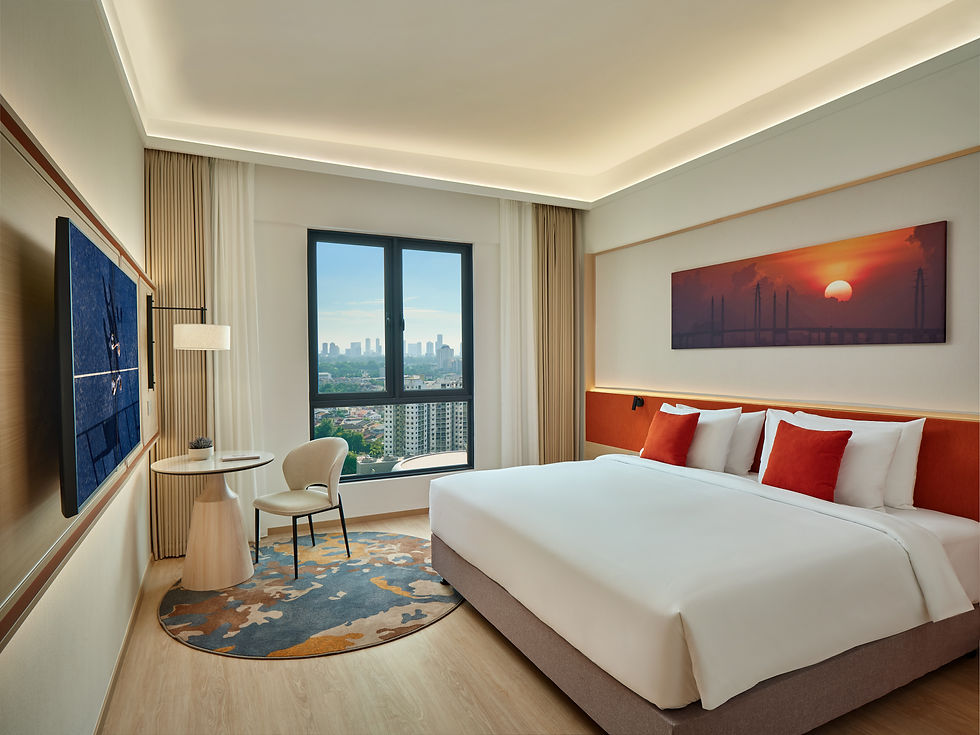
Trust Has Always Been the Product
There is a persistent misconception even by the clients themselves thinking that they are just merely paying for photographs. Honestly, they aren’t—at least, not in the way most people imagine. Exceptional photography is simply the expected standard, much as you expect an architect to understand structural integrity. Technical competence is the baseline, not the finished product.
Some of my best clients do not commission me just because they need an image. They hire me for my ability to translate the vision they invested so heavily in into timeless visuals. What I am really selling is confidence: the confidence that their life's work will be represented accurately and professionally.
The truth is, when a company hires a photographer, they are opening the door to its people, its processes, its culture, and years of accumulated knowledge. That level of access is built entirely upon trust, and my ability to accurately translate that into a two dimensional photograph. And this is a responsibility I have never taken lightly.
Reality as the Ultimate Marketing Asset
As artificial imagery becomes the norm, those businesses that wish to stand out will inevitably need new ways to demonstrate their credibility. This is because customers will always appreciate creativity. They will not only ask whether an image looks impressive; they will ask whether it genuinely represents the business, service, and product behind it.
For hospitality clients, this distinction is paramount. They are not just renting out rooms. They are selling hospitality, services, an experience, a destination, and brand trust. They are selling the promise that they can actually deliver on every claim they make.
This brings me back to my initial point: we should not be overly worried. When clients realise what is happening in the world of AI, reality will become their greatest marketing asset to stand apart, especially in the high-end market. In an age where almost anything can be created, I think the businesses that succeed will be those that can prove something far more valuable: that what they do, who they are, and the trust they have earned is real.
Behind the scenes and actual image with crafted light and mood Getting into the right composition even if it means getting into the bush Setting up early with styling just to wait for the right moment
Adapting for the Future
We have seen this pattern play out before though not in photographic way. Handmade craftsmanship became a luxury once manufacturing industrialised. Live performances retained their magic despite unlimited access to recorded music. Heritage brands command intense loyalty because authenticity and trust are part of the product itself, not just attributes of it. In every case, technological progress did not eliminate value; it changed where the value was found through time.
Commercial photography is approaching this exact point. Its purpose is no longer simply to create attractive marketing material; its real value lies in providing evidence. It demonstrates capability, reveals the people behind the products, and allows customers to look past carefully crafted marketing messages to see the actual commitment and professionalism that define an organisation.
In the end, we have to adapt and find new ways to work. For those of us operating growing sole proprietorships or smaller production setups, pivoting isn't always easy when balancing manpower and financial limitations. You cannot always afford to take massive risks. But as long as we are experimenting and adapting, we will find our footing eventually.
The ultimate irony is that technology may actually reinforce our value rather than diminish it. The easier it gets to generate images that could belong to absolutely anyone, the more powerful it becomes to show photographs that could only ever belong to you. I say that with absolute confidence because I have a track record of producing timeless images that still stand the test of time after years.


Comments