.jpg)
Photoessay: Observing the Transformation of Farlim and the Quiet Signs of a Future CBD.

Updated: Feb 5

Farlim has long been understood as a residential town — functional, familiar, and shaped by everyday routines rather than grand urban ambition. For years, it existed quietly, tugged into the middle of Penang Island and outside of Penang’s main commercial and administrative narratives. Yet recently, as I observe, the massive infrastructive investment may introduce subtle but significant changes to the humble town. These changes are neither sudden nor loud, but they are increasingly difficult to ignore.
This photoessay is not an attempt to predict what Farlim will become. Instead, it is an act of personal observation — a visual reading of the ongoing transformation of Farlim.
Large-scale infrastructure often signals intention before outcomes are visible. The Ayer Itam to Tun Dr Lim Chong Eu Expressway Bypass is one such project. Its scale, alignment, and reach suggest more than just improved connectivity and travel efficiency. It introduces new movement patterns, reshapes accessibility, and quietly alters how Farlim connects to the rest of the island.
During construction, the landscape feels unsettled. Concrete pillars rise beside long-standing shop lots and residentials, temporary roads redirect familiar journeys, and the presence of heavy machinery becomes part of daily life. These moments of disruption can be intolerable, but they mark the early stages of urban transformation.
The images in this essay focus on this in-between state. Construction zones sit alongside lived-in spaces. New road alignments cut through hills and forest into established neighbourhoods. Weathered facades, informal activities, and everyday routines continue to coexist with fresh infrastructure. Rather than presenting a polished vision of progress, the photographs document what is present — a town negotiating its past while absorbing the conditions of change.
Historically, many central business districts were not immediately recognised as such. They emerged gradually, shaped by connectivity, density, and the flow of people rather than by designation alone. With improved access to major arterial routes and sustained infrastructural investment, Farlim now occupies a different position within Penang’s urban landscape. Whether it will eventually function as a secondary CBD remains uncertain, but I do believe that the physical foundations for such a shift are becoming increasingly visible.
Alongside infrastructure, early signals of change are also appearing in the form of private-sector investment. The recent Sunshine Central mixed development introduces a different scale of ambition to Farlim. With an upcoming high-end hotel operated by Harris under the Ascott Group, and Citigroup taking up the office tower, the project suggests a level of confidence typically associated with more centralised urban districts. These are not developments that rely solely on residential demand, but ones that anticipate movement, business presence, and regional connectivity.
Put it this way, urban change rarely announces itself in a single moment. More often, it unfolds quietly — through roads, structures, and the slow recalibration of daily movement. For now, perhaps the most honest response is simply to observe, and to ask whether Farlim is beginning to take on a role it was never originally intended to play. Meanwhile, these are some of key highlights of such massive infrastructure taking place. Enjoy.

Ongoing construction of Ayer Itam to Tun Dr Lim Chong Eu Expressway Bypass 
Ongoing construction of Ayer Itam to Tun Dr Lim Chong Eu Expressway Bypass connecting to GeorgeTown 
Main junction in Farlim district with the ongoing construction 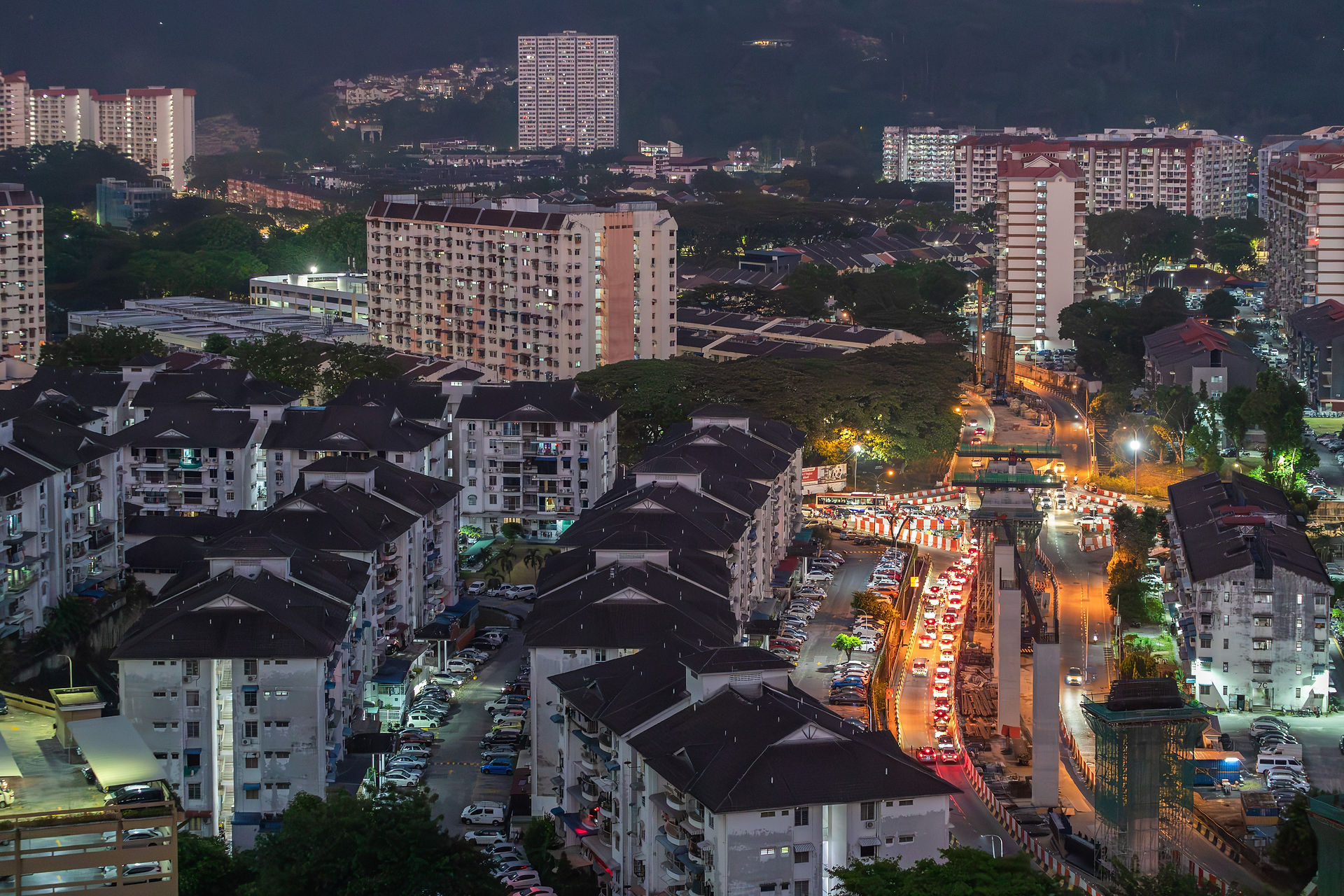
Upcoming highway alongside with residentials and traffic below. 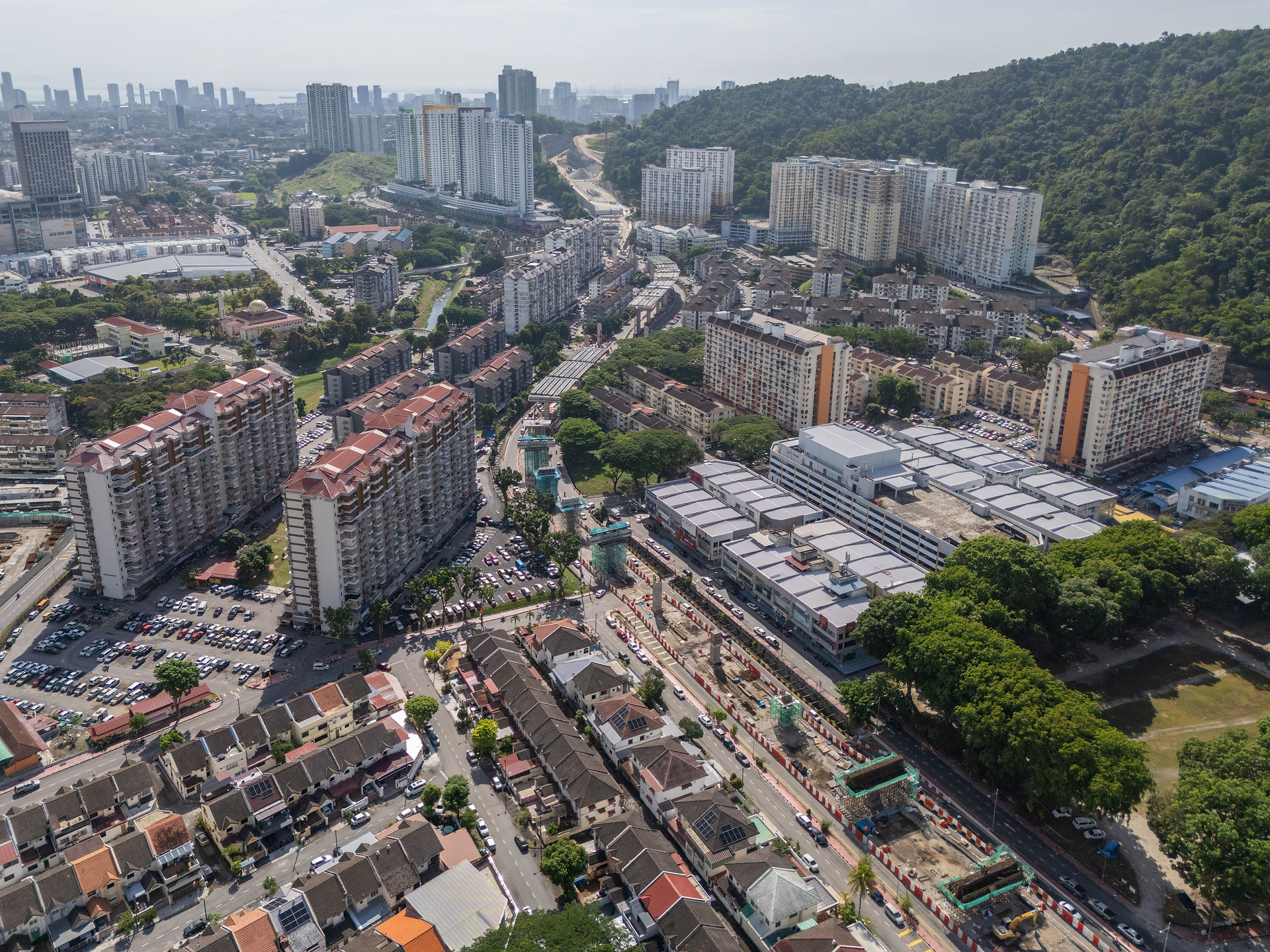
Highway construction bypassing forest into residentials 
A steep slope 
Connection between 2 towns through the hill 
Perhaps construction and residents can coexist? 
The future is here


Comments